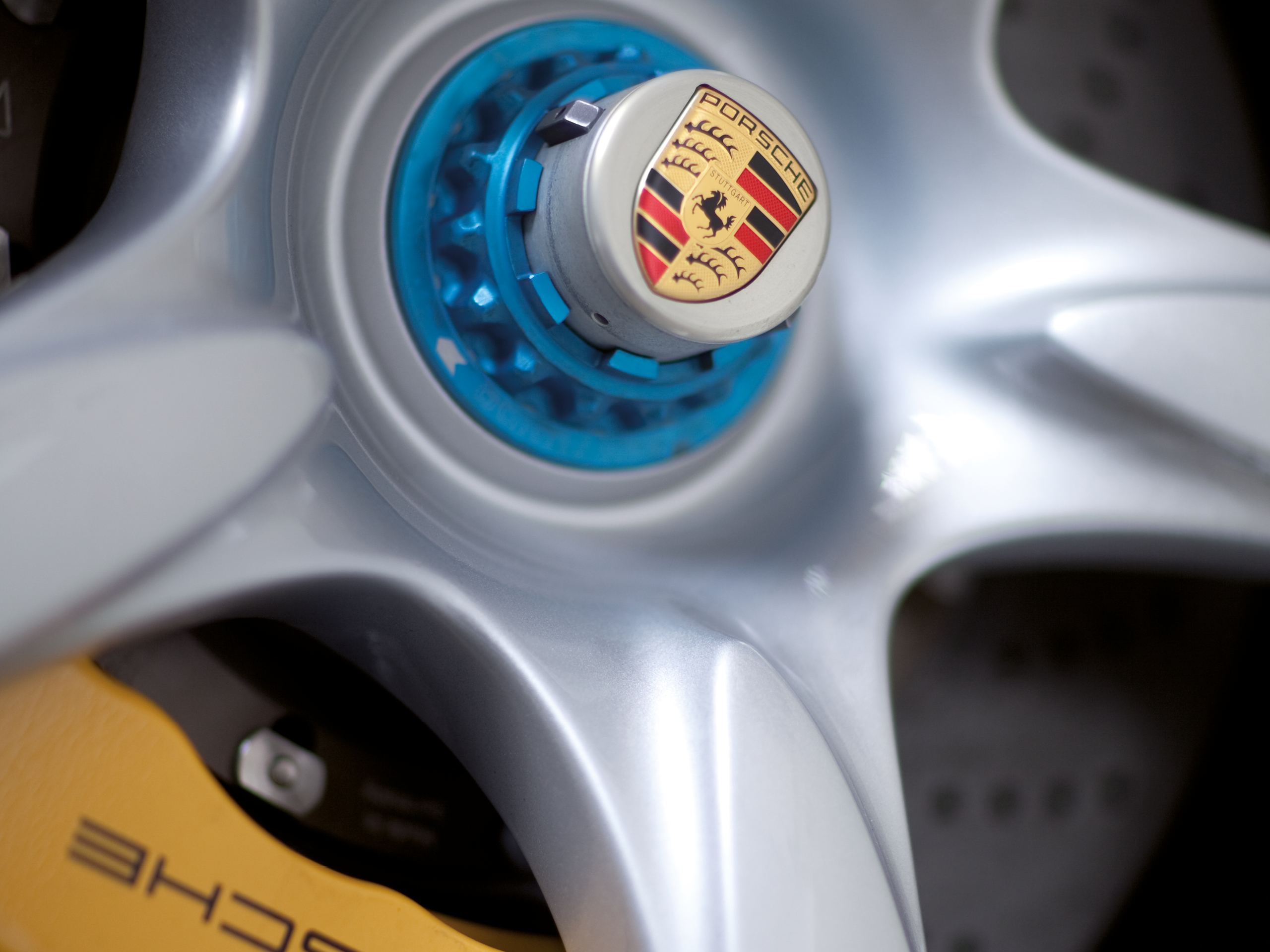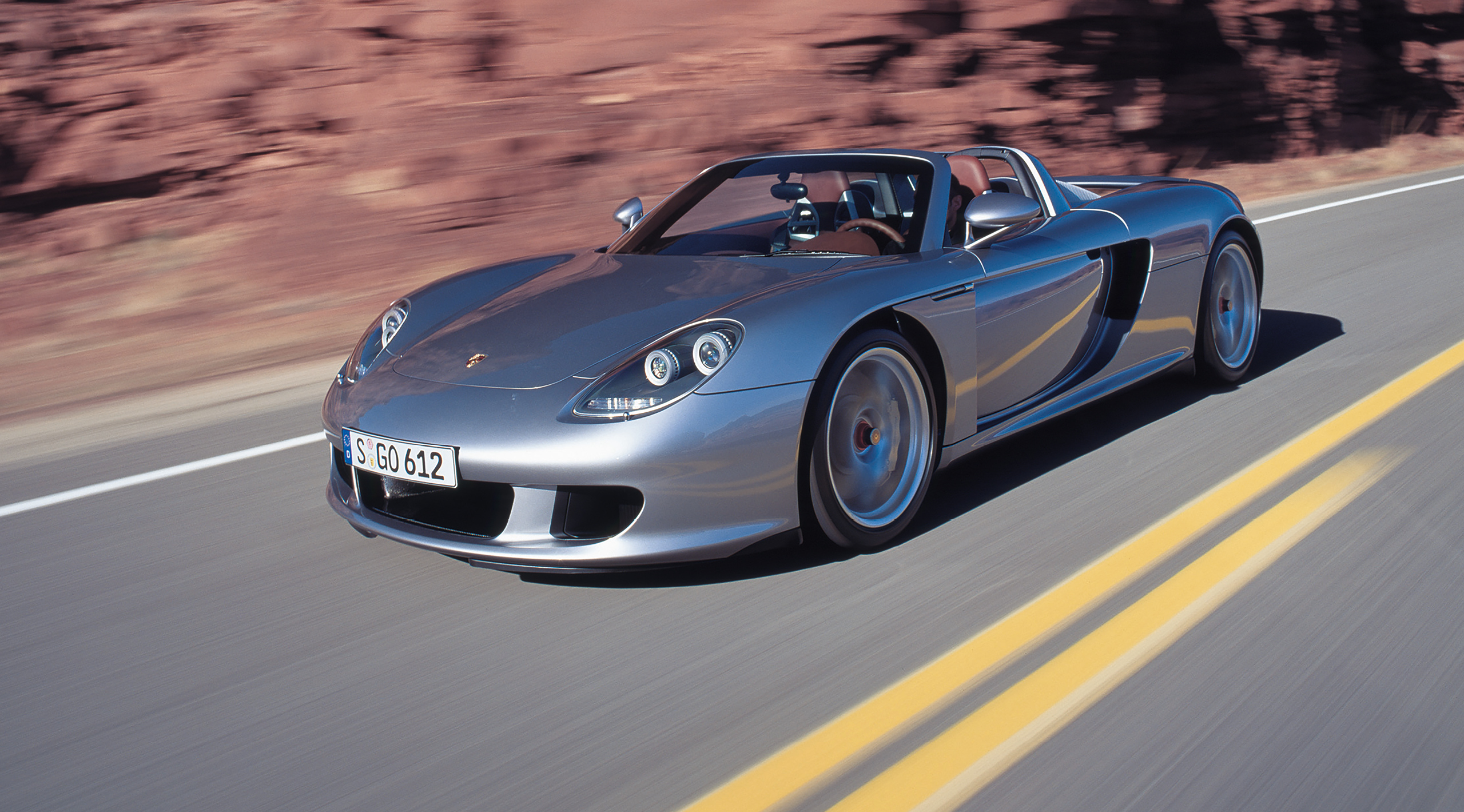
Porsche Carrera GT
At the Paris Motor Show of September 2000, a car premiered that is considered a milestone in many ways: the Porsche Carrera GT. Presented as a close-to-series sports car study, the car with a V10 engine entered series production three years later. Shortly before, Walter Röhrl piloted the open sports car in front of the international media through the rain from the Arc de Triomphe to the Louvre. “The Carrera GT is an essential element of our philosophy: Taking motorsport seriously, understanding origins, and translating these into motion,” said Roland Kussmaul, a former test driver and engineer at Porsche AG. “It stands for an attitude, not just a performance.”
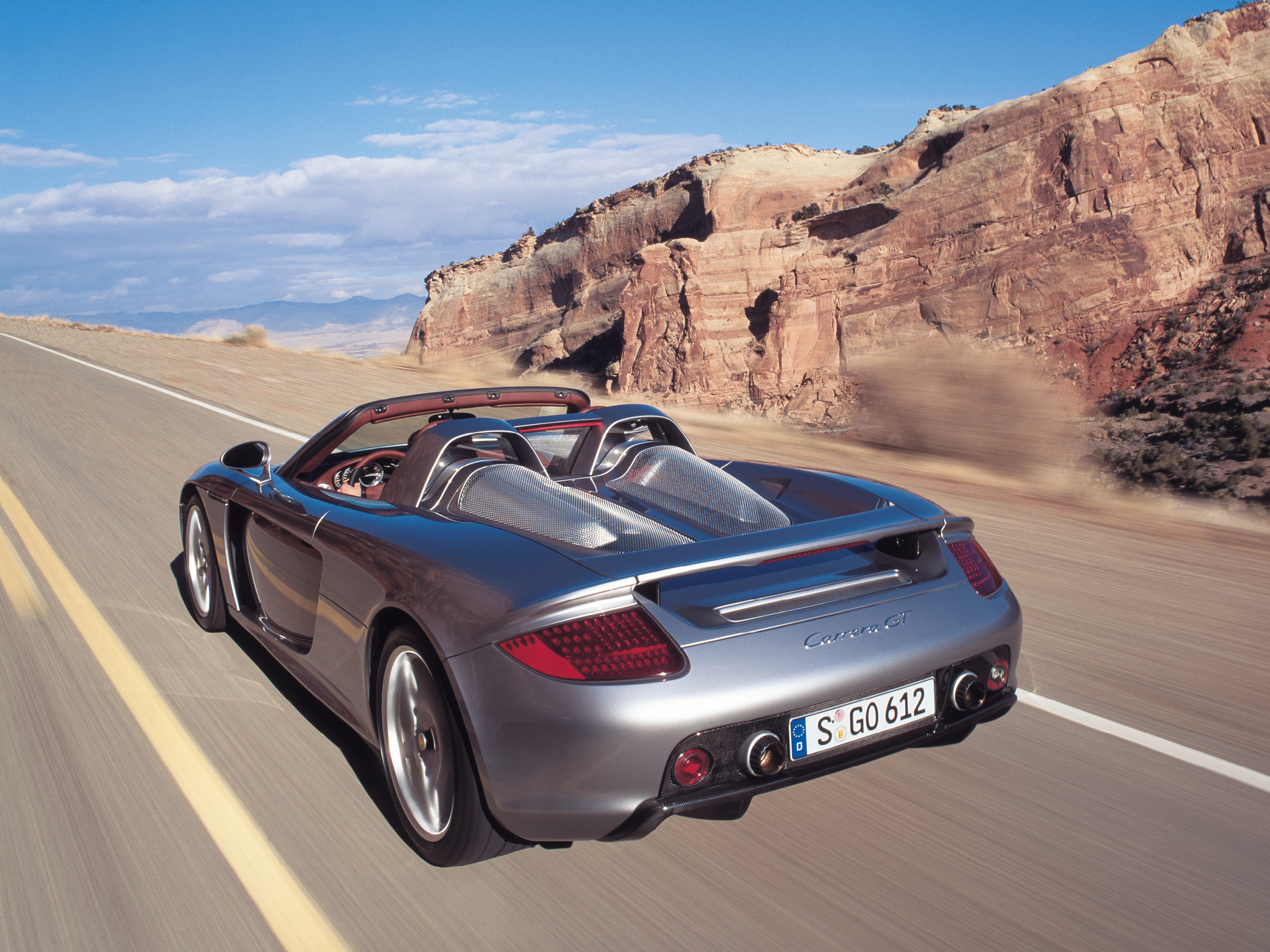
With a displacement of 5.7 litres, 450 kW (612 PS), a top speed of 330 km/h and a weight of 1,380 kg, the series version of the Carrera GT embodied everything that makes Porsche: Lightweight construction, high speed, mid-engine principle, and the idea of putting racing technology on the road. The body was made of carbon-fibre reinforced plastic, with magnesium and Kevlar components also in the mix. The monocoque was made entirely of carbon. The Carrera GT was ahead of its time, technologically, dimensionally and philosophically. The adjustable rear wing, the diffuser and the transversely installed six-speed gearbox were taken directly from motorsport. Each component was a commitment to reduction. To mark the anniversary, Porsche collaborated with Parisian designer Arthur Kar to create a capsule collection that celebrates the legacy of the vehicle. “Since its launch, the Carrera GT has always been my favorite car. It’s not just a machine, it’s a symbol of innovation, design, and pure emotion,” said Kar.
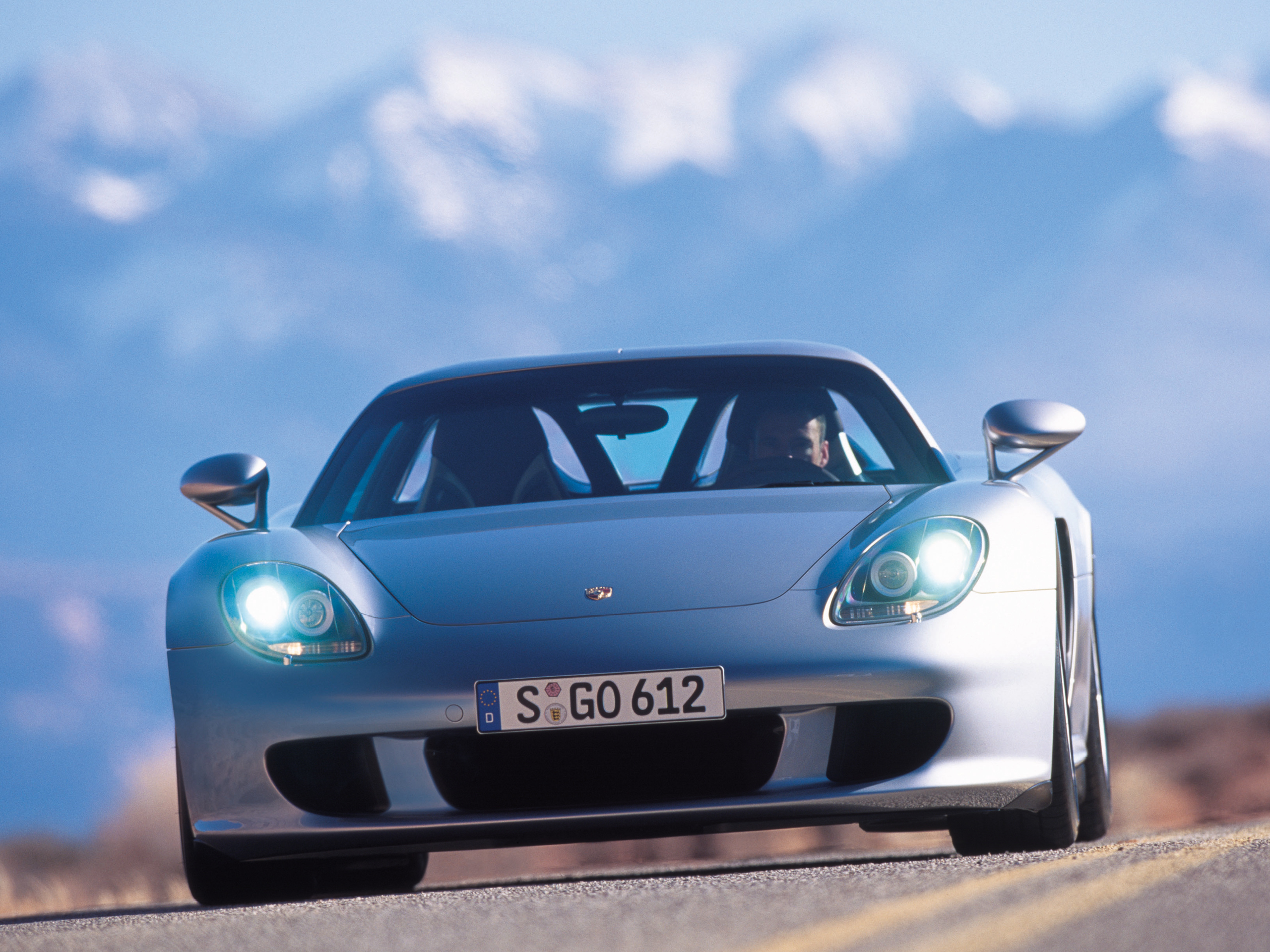
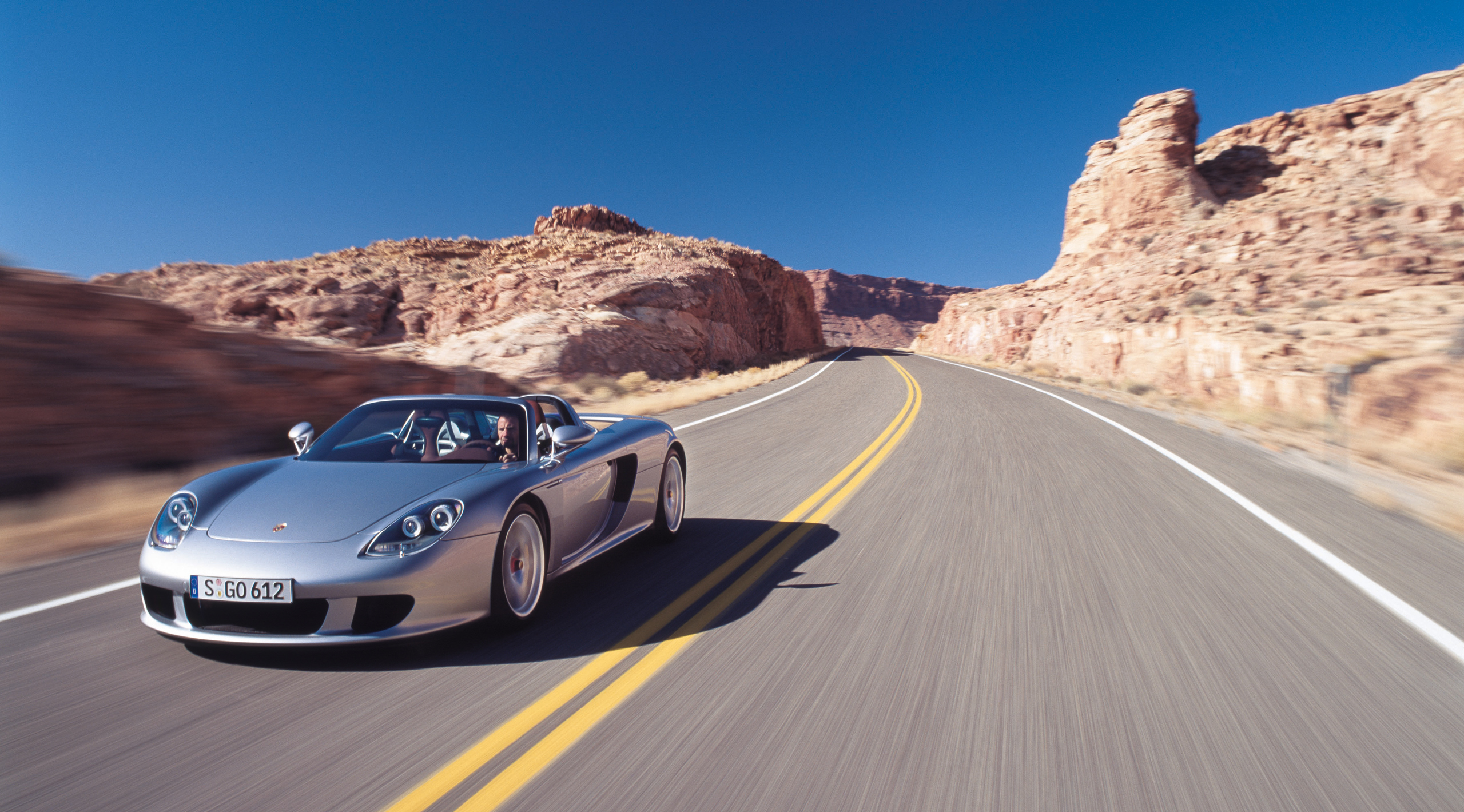
Anthony-Robert “Tony” Hatter, the exterior designer responsible for the Porsche Carrera GT, shares this view: “This car is a gift to everyone who wants to know where Porsche came from, and where we want to go. We took motorsport in its purest form and made it into a road car.” Between the autumn of 2003 and May 2006, 1,270 hand-crafted cars were produced in Zuffenhausen and Leipzig.
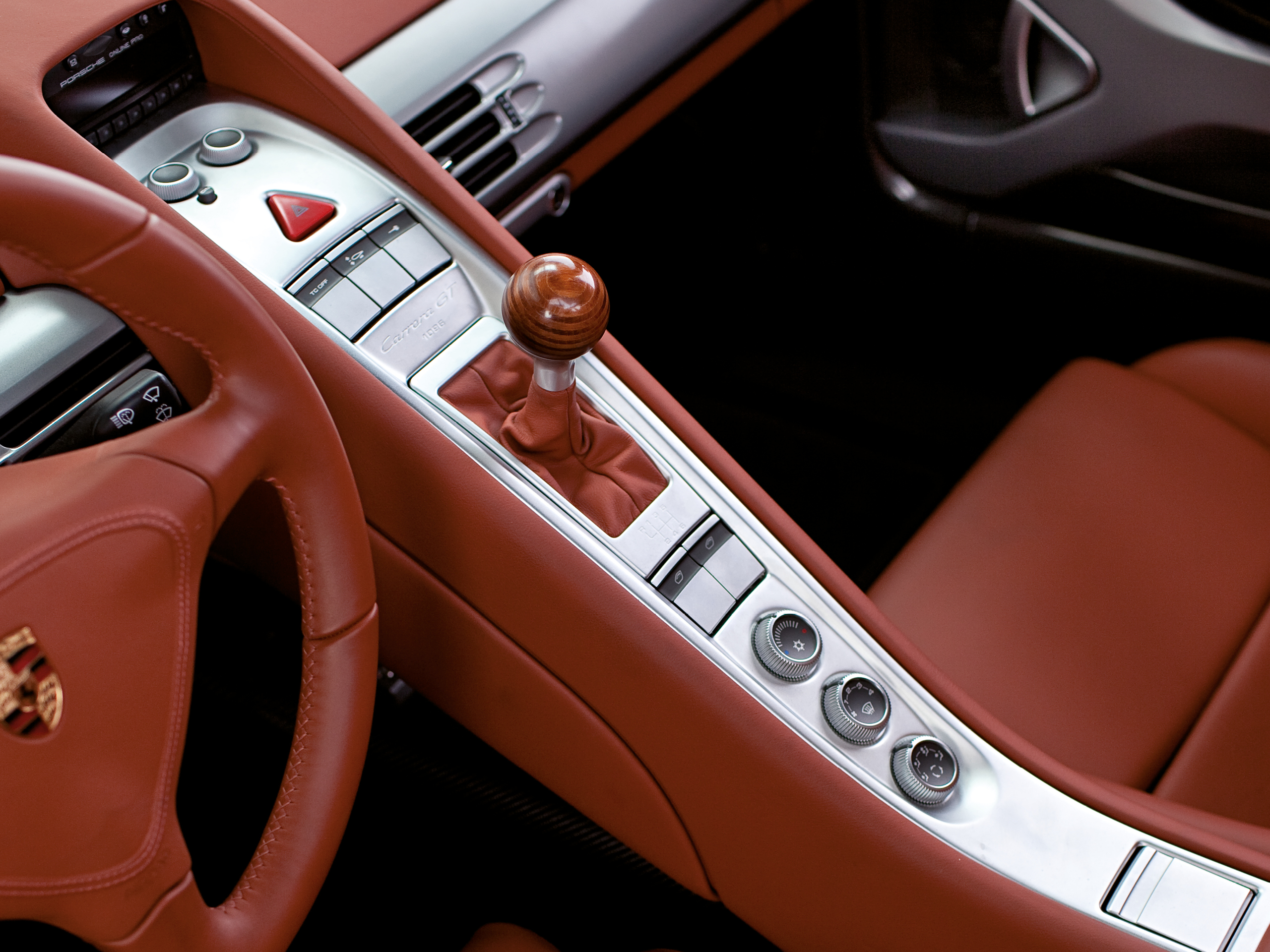
Anthony-Robert “Tony” Hatter, the exterior designer responsible for the Porsche Carrera GT, shares this view: “This car is a gift to everyone who wants to know where Porsche came from, and where we want to go. We took motorsport in its purest form and made it into a road car.” Between the autumn of 2003 and May 2006, 1,270 hand-crafted cars were produced in Zuffenhausen and Leipzig.